
FieldVision: Sewer Inspection Software for Field Crews
Maximize Your Inspection Output. Minimize the Hassle.
The Field Inspection Solution That Speeds Up Work Without Sacrificing Quality
FieldVision, formerly ITpipes Mobile, empowers contractors to collect accurate, high-quality inspection data quickly and efficiently—no matter the crew or conditions. Compatible with leading CCTV systems like Cues, RS Technical, Aries, Envirosight, and RapidView IBAK, it integrates seamlessly with your existing setup to reduce downtime and boost productivity.
With ITpipes’ Contractor Sync, your data flows directly to your client’s ITpipes CoreVision system, giving them instant access to your inspection results and keeping you aligned every step of the way.
Field-Tested. Contractor Approved.
Easy to Use and Built To Perform
ITpipes FieldVision is designed for fast, accurate inspections—even with new or rotating crews. Built-in tools surface real-time asset insights, support consistent coding, and help track operator progress and efficiency across the job.
Confidence In Every Condition
Enables fast, accurate data collection, reducing manual errors, and boosting productivity with automated tools like video capture, distance calibration, and clock position entry.
Intelligent Coding Comes Standard
Simplifies coding with dropdown defect selection and customizable HotButtons, reducing training time while ensuring
accurate, consistent inspections.
Flexible Reports For Every Client Need
Supports exports in multiple formats, including ITpipes Access and NASSCO Exchange, ensuring compliance, system compatibility, and complete media and data integrity.
Check Out Our Recent Blog

ITpipes and Luminate Capital Partners Announce Strategic Growth Investment
The partnership accelerates ITpipes’ product and AI development for the crews, engineers, and agencies who keep North America’s wastewater and stormwater systems running. Continue Reading ITpipes and Luminate Capital Partners Announce Strategic Growth Investment
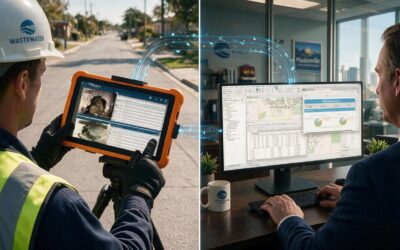
Sewer Capital Planning: From Inspection Data to Risk Modeling
Public works and utilities leaders are the ones who defend a capital budget to a council or a board, and the quality of that defense rests on the data underneath it. Continue Reading Sewer Capital Planning: From Inspection Data to Risk Modeling
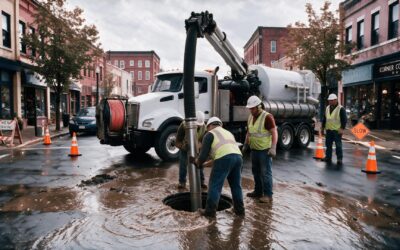
From Reactive to Proactive: Building a Collection System Program That Drives SSOs Down Year Over Year
There is a version of sewer management that feels familiar to most utilities: respond to a blockage, clean the line, move on. Respond to an overflow, document it, repair what failed, move on. The cycle repeats, the backlog grows, and the system deteriorates faster than the maintenance program can address it. Continue Reading From Reactive to Proactive: Building a Collection System Program That Drives SSOs Down Year Over Year